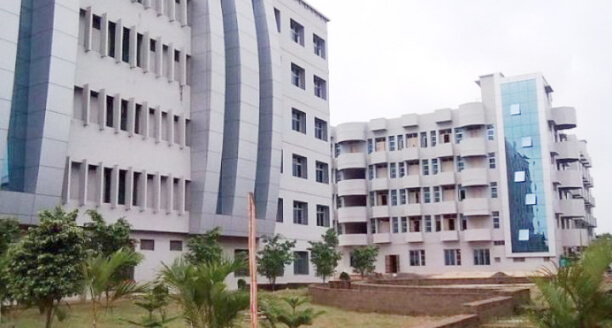


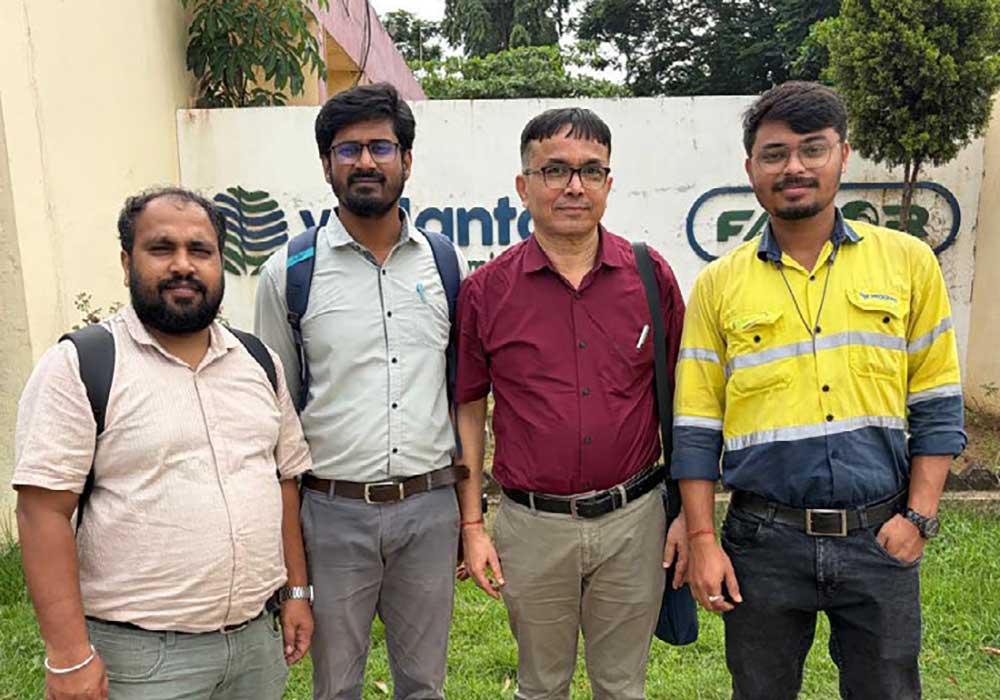
The Industry Interface Cell (II Cell) at SiliconTech, the engineering institute of Silicon University, organized a technical visit to Vedanta-FACOR, Bhadrak, on 25 August 2026 to discuss the ongoing power system projects of the Charge Chrome Plant (CCP) and Captive Power Plant (CPP).
The visit provided an opportunity for the SiliconTech delegation to interact with the FACOR project teams and gain a practical understanding of the electrical network, protection systems, and ongoing technical studies associated with the plants. The primary objectives of the visit were to understand the existing protection scheme of the FACOR Captive Power Plant and to discuss and technically review the proposed protection relay settings for the FACOR Charge Chrome Plant. The interaction was aimed at clarifying technical requirements, reviewing existing arrangements, and facilitating effective coordination between SiliconTech and the industry teams for the ongoing power system and protection consultancy projects.
The delegation was warmly welcomed by Mr. Saroj Mohanty, SPOC of CPP Projects, and Mr. Dibyasakti Bhuyan, SPOC of CCP Projects. The visit commenced with a preliminary discussion on the electrical network and operation of the FACOR CPP, followed by a field visit to review its existing protection scheme and electrical arrangements. A subsequent technical meeting was held with the CCP team, during which the proposed protection relay settings for the CCP electrical network were presented and discussed. The interaction enabled the participants to identify and clarify key technical observations and requirements related to relay protection and establish the next steps for completing the ongoing studies.
The visit concluded with a vote of thanks from the SiliconTech delegation to the FACOR team for their warm hospitality, valuable technical inputs, and continued support for the consultancy projects. Our team expressed their appreciation to the CPP and CCP teams for their cooperation during the technical discussions and field visit. Overall, the visit strengthened industry–academia interaction and contributed to the systematic review and progress of the ongoing power system and protection studies.